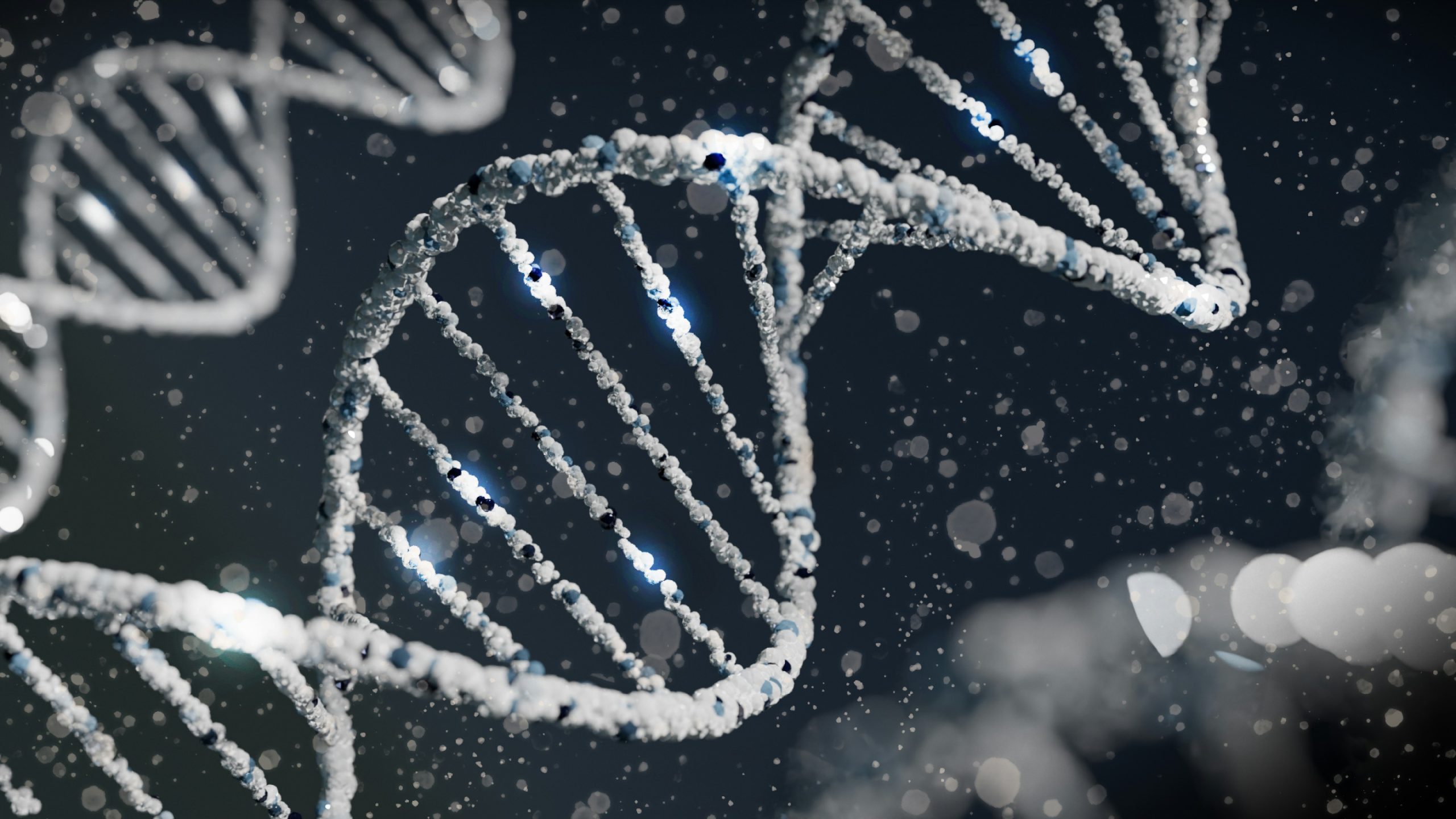
When exploring the complexities of addiction, one question that frequently arises is whether there is a genetic component to addiction. This inquiry not only deepens our understanding of the nature of addiction but also helps tailor more effective treatment strategies. This article seeks to answer key questions about the role of genetics in addiction, offering insights for those struggling with substance use disorders.
Quick Summary
- Genetic Influence: Does genetics play a role in addiction?
- Key Genes: What specific genes are involved in addiction?
- Gene-Environment Interaction: How does genetics interact with environmental factors?
- Treatment Implications: Can genetic knowledge influence treatment options?
- Preventive Measures: How can this knowledge help in prevention?
Examining the Genetic Basis of Addiction
Does genetics play a significant role in addiction?
Research suggests that genetics can account for about 40-60% of the risk for addiction, indicating a substantial genetic component to addiction. This percentage underscores the fact that while genetics do not determine destiny, they significantly influence susceptibility to substance use disorders.
What specific genes are associated with addiction?
Several genes have been linked to the risk of addiction, primarily those affecting the brain’s reward system. For instance, variations in genes that regulate neurotransmitters like dopamine and serotonin may make individuals more susceptible to substance abuse by affecting how they experience pleasure and reward. Identifying these genes helps understand the genetics and addictions relationship, potentially guiding targeted interventions.
How do genetic factors interact with environmental influences?
The interplay between genetics and the environment is crucial in the development of addiction. While certain genetic traits may increase vulnerability, environmental factors such as early exposure to drugs, stress, and social influences can trigger these genetic predispositions. This interaction suggests that a comprehensive approach to prevention and treatment, considering both genetics and addictions, is essential.
Can understanding genetics lead to better treatment options?
Yes, knowledge of a person’s genetic makeup can inform more personalized treatment strategies. For example, genetic testing might reveal that a person has a particular vulnerability to certain substances, guiding healthcare providers in customizing treatment approaches, such as medication selection or dosage. This precision medicine approach could improve treatment outcomes by aligning strategies more closely with an individual’s genetic profile.
What preventive measures can be taken based on genetic knowledge?
Awareness of a genetic predisposition to addiction can be a critical preventive tool. For individuals with a family history of substance abuse, understanding their genetic risks can motivate proactive measures, such as avoiding experimental drug use, engaging in regular counseling, and monitoring for early signs of substance dependence. Schools and community health programs can also use this information to develop targeted prevention campaigns to educate at-risk populations.
Conclusion and Call to Action
The question of whether there is a genetic component to addiction is met with a nuanced yes—genetics do play a role, but they are part of a broader context that includes environmental and personal factors. This understanding should not deter individuals or make them feel destined for addiction but rather empower them with knowledge to seek appropriate support and preventive care.
If you or someone you love is battling addiction, remember that understanding the full scope of what drives addiction can be the first step toward recovery. At CA Wellness Retreat, we use a comprehensive approach to treatment that considers genetic factors, environmental influences, and personal history. Reach out to us at 888-245-5888 to learn more about how we can help you or your loved one find the path to recovery tailored to your unique needs.